
November 23, 2025
Matthew 6:19-24
“Treasure Test”
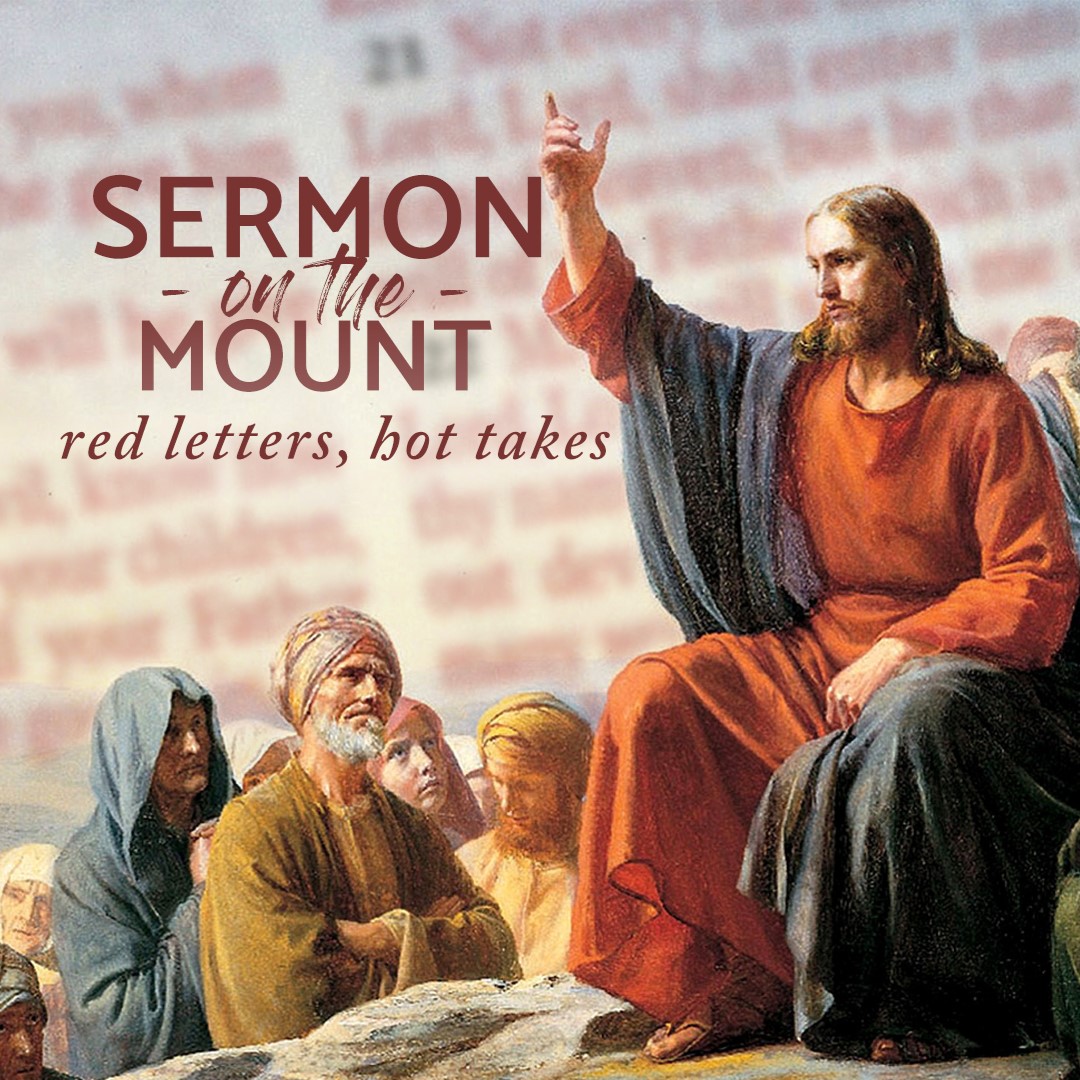
Service Overview: Here, Jesus shifts the focus to our treasure; what we value, store, and serve. Earthly wealth fades, but heavenly investment endures. Our hearts inevitably follow what we prioritize. In this passage, Jesus challenges us to examine what lights our eyes, where we place our hope, and whom we ultimately serve; God or something else.
Memory Verse for the Week:
Matthew 6:21 – “For where your treasure is, there your heart will be also.”
Background & Technical Insights:
- The word translated “Money” in the NIV is transliterated in most other versions as “Mammon,” Originally the word meant “something in which one puts confidence,” or the like. Eventually, no doubt because man’s confidence is so often deposited in riches, the word came to refer to all material possessions: profit, wealth, money. No one can be simultaneously devoted to both God and money. (D.A. Carson, The Sermon on the Mount, 83)
- In a culture where banking was embryonic and little used or trusted (see 25:25-27), “treasures” were normally kept in goods or hard currency in the home or in a supposedly safe place. They were thus liable to physical deterioration or theft, and the insecurity of material goods is a recurrent theme of the wisdom writers (Prov 23:4-5; 27:24; Eccl 5:13-17; cf. Jer 17:11); for the role of the “moth” in this cf. Ps 39:11; Job 13:28. (R. T. France, Matthew, 273)
- (6:23) In Jewish literature, an “evil” eye (NIV bad) was a jealous or greedy one (Deut 15:9; Prov 23:6; 28:22; Sirach 14:8-10; 34:13; Tobit 4:7, 16; m. ‘Abot 2:9, 11). (Craig S. Keener, IVP New Testament Commentary, Matthew, 140)
- Wealth in the ancient world, as often still today, regularly consisted of precious metals and cloth. Owners thus worried about attacks of moth and rust. Both were common in the hot, sandy Palestinian climate. The danger of theft applies to almost all kinds of valuables in every time and place. Rather than accumulating material wealth, people should work for spiritual riches invulnerable to loss and death (cf. Luke 12:15-21). (Craig L. Blomberg, Matthew, 126)
- The word [good] in the original was used in the Septuagint to mean “singleness of purpose, undivided loyalty”: hence “single” in the King James Version. However, among the rabbis, the “evil eye” indicated selfishness; and in that case the good eye might well indicate committed generosity. Being full of light is equivalent to being generous; and that seems to fit in well enough as an elaboration of the preceding paragraph’s warnings about foolishly selected treasure. (D.A. Carson, The Sermon on the Mount, 81)
- The leading religionists of Jesus’ day were preoccupied with things. They were materialistic, greedy, avaricious, covetous, grasping, and manipulative. That “the Pharisees . . . were lovers of money” (Luke 16:14) was not incidental to the other sins for which Jesus rebuked them. (John MacArthur, Matthew 1-28, 468)
What does Jesus want his disciples to examine when it comes to their treasure?
- The location of their treasure.
(vv. 19–21 cf. Ps 49:16–17; Pr 11:28; Pr 23:4–5; Mt 19:21; Lk 12:15; 12:33–34; 1 Tim 6:6–10; 1 Tim 6:17–19)
Your heart is the seat of personality, seat of emotions. It is the “real you”—what you truly think and feel. You either have a heart set on earthly treasures that you are still counting on, or treasures in heaven. (R. T. Kendall, The Sermon on the Mount, 284)
The instruction “Do not store up for yourselves” might better be rendered “Stop storing up for yourselves”; this is a call to reorientation away from one type of acquisition to another. (R. T. France, Matthew, 273)
Jesus goes on to point out that a person’s most cherished possessions and his deepest motives and desires are inseparable, for where your treasure is, there will your heart be also. (John MacArthur, Matthew 1-28, 473)
- The light in their eyes.
(vv. 22–23 cf. Ps 19:8; Ps 119:18; Ps 119:105; Is 5:20; Is 42:6–7; Mt 5:8; Jn 8:12; Eph 1:18)
The man with his heart wedded to things cannot see straight. His eye is diseased and his mind is darkened (22-23). The man with treasures in heaven, whose heart is fixed on God, has a clear vision and unclouded future. (William E. McCumber, Matthew, 43)
God’s Word often uses the eye to represent the attitudes of the mind. If the eye is properly focused on the light, the body can function properly in its movements. But if the eye is out of focus and seeing double, it results in unsteady movements. It is most difficult to make progress while trying to look in two directions at the same time. (Warren Wiersbe, The Wiersbe Bible Commentary, 24)
- The lord of their life.
(v. 24 cf. Ex 20:3; Josh 24:14–15; Ps 16:2; Lk 16:13; Rom 6:16–18; Col 3:23–24; 1 Jn 5:21)
It is not so much the disciple’s wealth that Jesus is concerned with as his loyalty. As v. 24 will make explicit, materialism is in direct conflict with loyalty to God. (R. T. France, Matthew, 140)
The things we treasure actually govern our lives. What we value tugs at our minds and emotions; it consumes our time with planning, day-dreaming, and effort to achieve. As Jesus puts it, “For where your treasure is, there your heart will be also.” (D.A. Carson, The Sermon on the Mount, 79)
In contrast with the materialistic concerns which occupy our attention most of the time, Jesus calls his disciples to put God first, both by giving priority to eternal issues and also by trusting our heavenly Father to meet our material needs here on earth. (D. A. Carson, New Bible Commentary, 913)
Conclusion: How does this passage call and confront us as Jesus’ disciples today?
- It calls us to reconsider our investments.
(Ps 112:5; Pr 19:17; Mal 3:10; Mt 25:37–40; Lk 12:32–34; 2 Cor 9:6–8; Phil 4:17; Jas 1:27)
The way we look at and use our money is a sure barometer of our spiritual condition. (John MacArthur, Matthew 1-28, 476)
What does it mean to lay up treasures in heaven? It means to use all that we have for the glory of God. (Warren Wiersbe, The Wiersbe Bible Commentary, 24)
Nothing we own is completely safe from destruction or theft. And even if we keep our possessions perfectly secure during our entire lives, we are certainly separated from them at death. Many millionaires will be heavenly paupers, and many paupers will be heavenly millionaires. (John MacArthur, Matthew 1-28, 473)
- It calls us to refocus our vision.
(Ps 27:4; Ps 119:37; Is 26:3; Rom 12:2; 2 Cor 4:6; Col 3:1–2; Heb 12:2; 1 Jn 2:15–17)
If our aim in life is to get material gain, it will mean darkness within. But if our outlook is to serve and glorify God, there will be light within. If what should be light is really darkness, then we are being controlled by darkness, and outlook determines outcome. (Warren Wiersbe, The Wiersbe Bible Commentary, 24)
Human beings are naturally thing-oriented. We are strongly inclined to be wrapped up in seeking, acquiring, enjoying, and protecting material possessions. In prosperous cultures such as those in which most Westerners live, the propensity to build our lives around things is especially great. (MacArthur, Matthew 1-28, 468)
- It calls us to reaffirm our allegiance.
(Dt 6:5; 1 Kgs 18:21; Ps 86:11; Mt 16:24–26; Lk 9:23; Rom 14:7–9; Col 2:6–7)
Life in the kingdom of God calls for single-minded allegiance to the King. In that context, we are stewards of everything we have—family, home, business. We do not possess them. They are gifts given by the Lord, the blessings of his rule over us. (Sinclair B. Ferguson, The Sermon on the Mount, 155)
We cannot claim Christ as Lord if our allegiance is to anything or anyone else, including ourselves. (John MacArthur, Matthew 1-28, 477)
The more we gather possessions in order to feel secure, the more we feel we need them in order to be secure and then the more we need to guard them to maintain our security. (Sinclair B. Ferguson, The Sermon on the Mount, 151)
… follow Jesus faithfully entails a consistent development of our deepest loves, to train ourselves to adopt an unswerving loyalty to kingdom values and to delight in all that God approves. (D.A. Carson, The Sermon on the Mount, 80)
Gospel Connection:
Because of the gospel, you are free to stop serving what cannot save and follow the One who can.
(Jn 8:36; 10:10–11; 14:6; Rom 5:8–10; 6:22–23; Gal 5:1; Eph 2:4–9; Col 1:13–14; 3:24)
Nothing we do below is overlooked or forgotten, except our sins that have been washed away by the blood of Jesus Christ. (R. T. Kendall, The Sermon on the Mount, 282)
Spiritual Challenge Questions…
Reflect on these questions in your time with the Lord this week, or discuss with a Christian family member or Life Group.
- Jesus speaks about earthly treasure versus heavenly treasure. What are some practical differences between the two?
- If our hearts follow our treasure, what does your current pattern of spending, giving, or scheduling reveal about what you value most?
- Jesus describes the eye as the lamp of the body. What things tend to shape your inner vision in helpful ways and in harmful ways? How do you know when your spiritual eyesight is getting cloudy or dim? What are the warning signs in your life?
- Jesus says no one can serve two masters. What are some modern masters that compete with your devotion to Christ?
- Which of the three calls in the conclusion speaks to you most: redirecting investment, refocusing vision, or reaffirming allegiance? Why?
- What is one “earthly treasure” that tends to pull at your loyalty, and what practical step could help loosen its grip this week?
HFM @ Home
Discipleship resources from the Free Methodist and Heidelberg Catechisms, offering historic, Scripture-based teaching to help us grow in our shared faith.
From The Heidelberg Catechism
Q20. Are all people then saved through Christ just as they were lost through Adam?
- No. Only those are saved who through true faith are grafted into Christ and accept all his benefits. (Matt. 7:14; John 3:16, 18, 36; Rom. 11:16-21)
Q21. What is true faith?
- True faith is not only a sure knowledge by which I hold as true all that God has revealed to us in Scripture;1it is also a wholehearted trust,2which the Holy Spirit creates in me3 by the gospel,4 that God has freely granted, not only to others but to me also,5 forgiveness of sins, eternal righteousness, and salvation.6 These are gifts of sheer grace, granted solely by Christ’s merit.7
1 John 17:3, 17; Heb. 11:1-3; James 2:19. 2 Rom. 4:18-21; 5:1; 10:10; Heb. 4:14-16. 3 Matt. 16:15-17; John 3:5; Acts 16:14. 4 Rom. 1:16; 10:17; 1 Cor. 1:21. 5 Gal. 2:20. 6 Rom. 1:17; Heb. 10:10. 7 Rom. 3:21-26; Gal. 2:16; Eph. 2:8-10
From The FREE METHODIST Catechism
The Preserver of All that He Created
God Who created the world also preserves all that He created. The cycles of nature — winter and summer, sunshine and rain — come and go as He ordains, and through these He grants us life and sustenance. (Psalms 104:10-30; Matthew 6:26, 28-30; see John 1:3; Colossians 1:15-17)
The Human Being
The last and most glorious work of creation was humankind.
“So God created man in his own image, in the image of God he created him, male and female he created them.”57
The purpose of humankind is to glorify God58 and enjoy Him forever.59 The most important work that a human can do is to worship God,60 and the most important service each can offer is to obey God completely.61 God has stooped to our low estate to enter into fellowship with us. It is humans of whom God is especially mindful.62
57 Genesis 1:26-27; 2:7, 21-22; Psalms 8:3-5. 58 Psalms 86:9, 13; Isaiah 24:15-16; Matthew 5:16. 59 Psalms 34:8; Isaiah 25:9; Philippians 4:4. 60 Psalms 22:27; 29:2; 98:5-6; Revelation 4. 61 Exodus 23:21; Deuteronomy 11:27-28; Jeremiah 7:23; Hebrews 5:9.